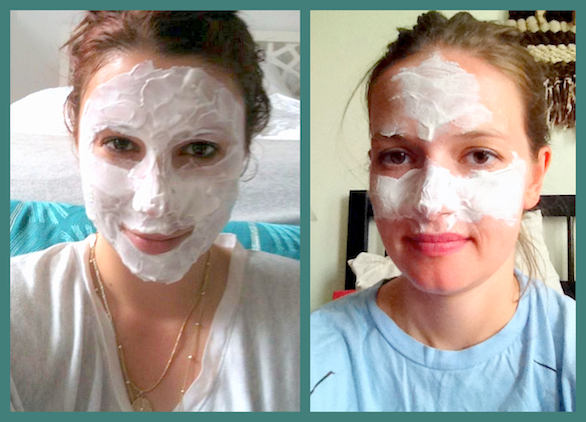
Discover the Magic of Probioticaction Bentonite Clay Cleanser

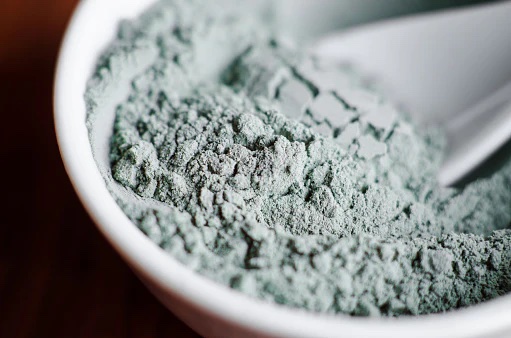
Bentonite clay for skin mask

In the quest for the perfect skincare and cleaning solution, many of us have tried various products with mixed results. Enter the Probioticaction Bentonite Clay Cleanser—a game-changer in both your skincare routine and household cleaning arsenal.

Unleashing the Power of Bentonite Clay and Castile Soap

Our Bentonite Clay Cleanser is a unique blend of organic castile soap and bentonite clay, enhanced with lavender essential oil. This powerful combination offers multiple benefits:

  1. Deep Skin Cleansing: Bentonite clay is renowned for its ability to detoxify and exfoliate the skin. It draws out impurities and toxins, leaving your skin feeling smooth and rejuvenated. Paired with the gentle cleansing properties of organic castile soap, our cleanser is perfect for daily use, providing a deep clean without stripping your skin of its natural oils.
  2. Tough Stain Removal: Have you ever struggled to remove tea or coffee stains from your favorite cup? Our cleanser’s potent formula tackles even the most stubborn stains effortlessly. Unlike regular dish detergents, the combination of bentonite clay and castile soap cuts through grime, making cleaning a breeze.
  3. Natural and Soothing: We believe in the power of nature. That’s why our cleanser is made with organic ingredients, ensuring a gentle yet effective cleanse. The addition of lavender essential oil not only enhances the cleansing experience but also provides a soothing aroma, making each use a delightful ritual.

Why Choose Probioticaction Bentonite Clay Cleanser?

  • Versatility: Whether you’re using it as a face cleanser or for household cleaning, this product delivers outstanding results.
  • Natural Ingredients: Free from harsh chemicals, our cleanser is gentle on your skin and safe for the environment.
  • Addictive Sensation: The refreshing and smooth feeling after each use will make you look forward to your cleansing routine.

Join the Probioticaction Revolution

Transform your cleaning and skincare routine with the Probioticaction Bentonite Clay Cleanser. Experience the natural, powerful, and soothing benefits of bentonite clay and organic castile soap. Visit our website to learn more and get your bottle today!
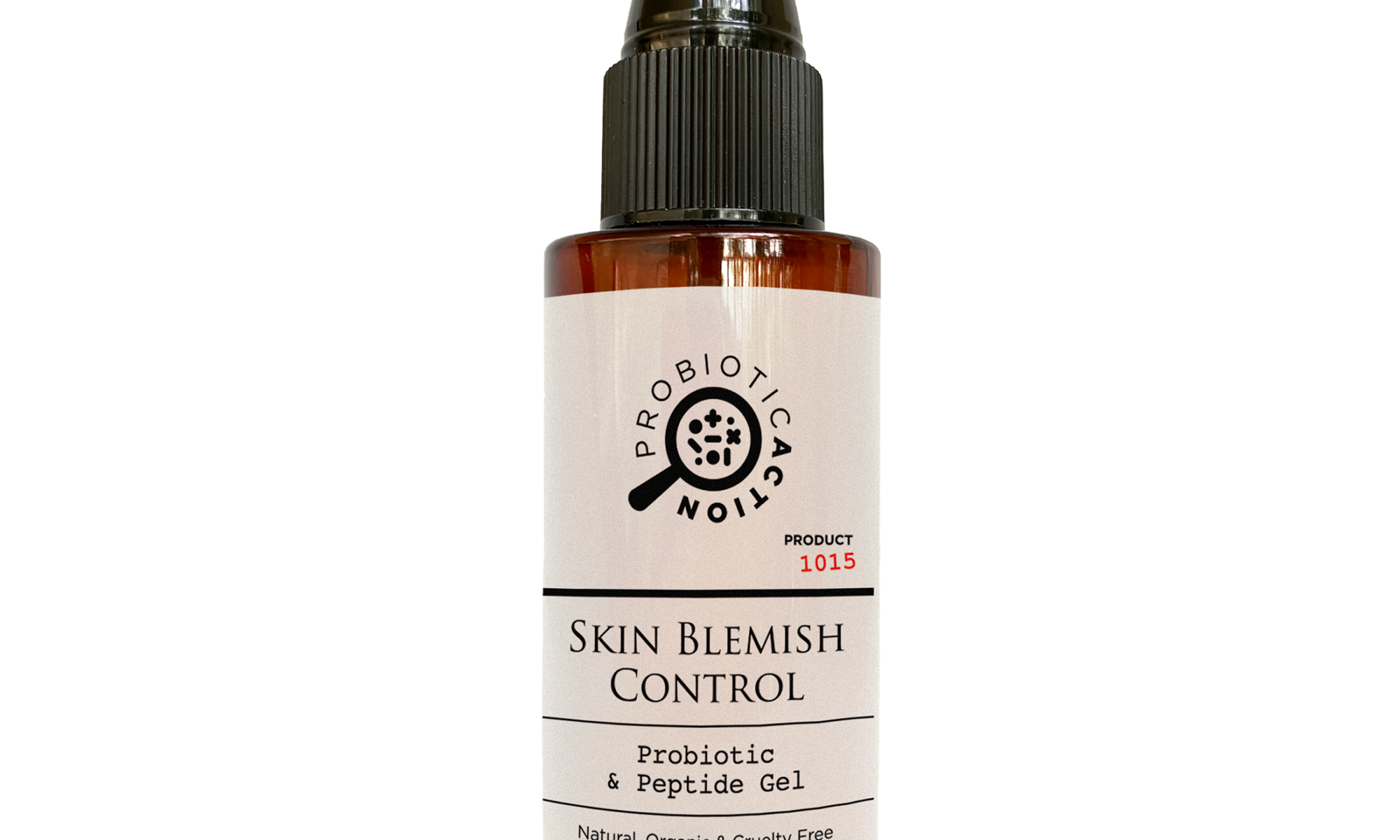

Skin Blemish Control

Skin Blemish Control

Probiotic and Peptide Complex Hydrating Gel

NON-GREASY and FAST ABSORBING – This lightweight formula goes on like a serum, feels like a gel, and hydrates like a thick cream; Fast absorption without tacky residue; ideal for all skin types, including sensitive, oily, and acne-prone skin; Non-GMO; fragrance, paraben, and cruelty, free.

STRONGEST NON-PRESCRIPTION ANTI-ACNE PROBIOTIC FORMULA – This naturally-derived, breakthrough topical probiotic formulation prevents the risk of acne, rosacea, and eczema and can be used for an extended period.

Adult Hormonal Acne

As the term might suggest, hormonal acne is acne that is triggered by hormonal changes in the body. To get rid of the acne completely, working with a doctor to find the root cause of hormonal troubles is recommended. However, topical interventions can still help. Here’s why you should consider probiotics for hormonal acne:

What is hormonal acne?
Hormonal acne causes cysts to show up on the chin and around the forehead. Male hormones called androgens are the culprits, testosterone included. These hormones encourage glands in the skin to produce more oil. As a result, pores become clogged, making the perfect breeding ground for a bacterial imbalance.

Both men and women can experience hormonal acne and the condition is most common during the teen years. Adult acne, however, is becoming far more common. A 2008 study conducted by the University of Alabama found that 50 percent of women between the ages of 20 and 29 had adult acne. 26 percent of women between the ages of 40 and 49 were affected.

Hormonal Acne
Do probiotics work for hormonal acne?

In the clinic, antibiotics are often used in defence against severe acne. However, there may be reason to opt for a probiotic instead. The skin is coated by a microscopic ecosystem of bacteria, fungi, viruses, and other microbes. These tiny free-riders work symbiotically with human cells, contributing to a healthy immune system.

Unfortunately, imbalances in the skin microbiome can also contribute to acne, even if the underlying cause is hormonal. In hormonal acne, bacterial imbalance can still contribute to inflammation and cysts.

One of the theories behind the effectiveness of topical probiotics is that beneficial bacteria can crowd out or out compete pro-inflammatory bacteria. Bacteria belonging to the species Propionibacterium acnes are thought to be the primary instigators of acne pimples and cysts.

Applying a probiotic to the skin offers a dose of helpful bacteria in hopes of reducing the problematic community. Microbes like Bacillus subtilis, an active ingredient in Probiotic Action, are naturally found in the soil and on vegetation. They are also a natural part of a healthy skin and gut microbiome.

When placed on the skin, these live bacteria compete for food and resources with other strains. Bacillus subtilis is known to compete with other bacterial species by excreting compounds that are toxic to certain microbes. 

This helps the beneficial Bacillus subtilis take up residence on the skin while more harmful types of bacteria are crowded out and possibly killed off. Unlike P. acnes bacteria, is rare for Bacillus subtilis to colonize on the body. This means that it is safe to spray on the skin without aggravating the acne.

Where to find probiotics for acne

Probiotic Action offers two probiotic sprays that can be used topically for acne. The Probiotic Action Sprayer contains two ingredients: purified water and Fermented Bacillus subtilis. To use, simply dilute the probiotic fluid with some filtered water and apply to the affected area.

For best results, it is recommended to wash your face with a gentle but deep cleanser like Probiotic Action’s Bentonite Clay Cleanser. If using your own cleanser, an organic product is recommended.

Differences Between Aerobic vs. Anaerobic Probiotic Bacterium

picture-Yogurt-Facials

Topical Probiotics

What are the benefits of using topical probiotics? 

The purpose of the explanation is to clear up any misconceptions that people might have about probiotics in acne treatment , differentiate between the bacterium, and answer questions about the probiotic bacterium.

For those of you confused about the whole probiotics in yogurt and in water and the ones you eat/drink and what not, here’s the deal: probiotics is bacteria, and just like human cells, bacteria have the ability to produce energy in an aerobic and anaerobic manner. What does that mean? There are certain bacteria that thrive in places where oxygen is available, hence the term aerobic, whereas there are bacteria that thrive through fermentation rather than cellular respiration. There are some probiotics that do not need oxygen to live, which are the ones found in the yogurt. Those probiotics will not do anything to your skin if applied as yogurt because they cannot survive in the presence of oxygen; they are anaerobes. However, there are certain bacteria, probiotics of course, that do need oxygen to survive, and those are the ones you want to put on your skin. The other forms will live inside your body where oxygen is not available, oxygen is not found inside the stomach, intestine, or any part of the alimentary canal. So to recap, if you want to treat acne with probiotics, do it with ones that live with oxygen and not with ones that you eat and live inside of you.

Follow Probiotic Action’s board Probiotic Action on Pinterest.

Aerobic vs. Anaerobic Probiotics

Probiotic Action Explains Differences Between Aerobic vs. Anaerobic Bacterium

Probiotic Action explains what the differences between aerobic and anaerobic bacterium and how they relate to probiotics.

Probiotic Action issued an explanation regarding the nature of two different kinds of bacterium, aerobic and anaerobic, and how they related to the probiotics for acne contained in Probiotic Action itself.

As Probiotic Action representative Fernando Perez states, “There is a distinct difference between aerobic and anaerobic bacterium. Many people think of aerobic and anaerobic in terms of exercise, or for the more scientifically inclined, in cellular activity. What many people don’t realize is that this process affects bacterium as well.”

Perez explains, “There are certain bacteria that thrive in places where oxygen is available, hence the term aerobic, whereas there are also bacteria that thrive through fermentation rather than cellular respiration.  There are some probiotics that do not need oxygen to live, which the probiotics which are found in yogurt. Those probiotics will not do anything to your skin if applied as yogurt because they cannot survive in the presence of oxygen; they are the anaerobes. However, there are certain bacteria, these are the probiotics in Probiotic Action, that do need oxygen to survive, and those are the ones you want to put on your skin. Not all probiotics are the same and it’s important to know the difference.”

“The purpose of the explanation,” Perez says, “is to clear up any misconceptions that people might have about probiotics, differentiate between the bacterium, and answer questions about the bacterium.  All of this is to educate the consumer. In addition to telling them why Probiotic Action is the best acne treatment, it’s important to tell them why as well.”

Probiotic Action, a pioneer in using natural skin care, follows all probiotic-associated products to collect information in order to help educate the public on the power of probiotics for skin care and overall health.

For more information, please visit ProbioticAction.com.