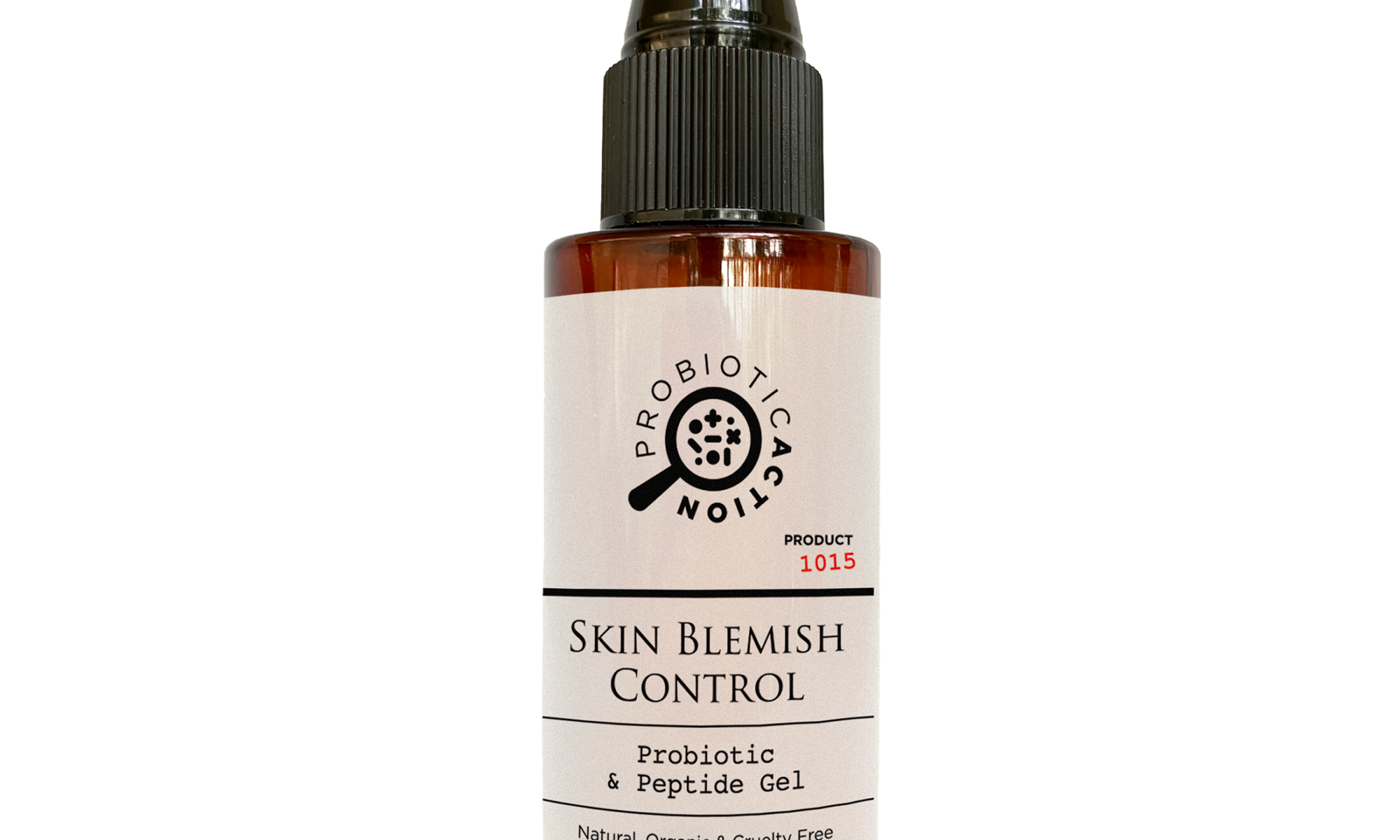
Skin Blemish Control

Skin Blemish Control

Probiotic and Peptide Complex Hydrating Gel

NON-GREASY and FAST ABSORBING – This lightweight formula goes on like a serum, feels like a gel, and hydrates like a thick cream; Fast absorption without tacky residue; ideal for all skin types, including sensitive, oily, and acne-prone skin; Non-GMO; fragrance, paraben, and cruelty, free.

STRONGEST NON-PRESCRIPTION ANTI-ACNE PROBIOTIC FORMULA – This naturally-derived, breakthrough topical probiotic formulation prevents the risk of acne, rosacea, and eczema and can be used for an extended period.

Adult Hormonal Acne

As the term might suggest, hormonal acne is acne that is triggered by hormonal changes in the body. To get rid of the acne completely, working with a doctor to find the root cause of hormonal troubles is recommended. However, topical interventions can still help. Here’s why you should consider probiotics for hormonal acne:

What is hormonal acne?
Hormonal acne causes cysts to show up on the chin and around the forehead. Male hormones called androgens are the culprits, testosterone included. These hormones encourage glands in the skin to produce more oil. As a result, pores become clogged, making the perfect breeding ground for a bacterial imbalance.

Both men and women can experience hormonal acne and the condition is most common during the teen years. Adult acne, however, is becoming far more common. A 2008 study conducted by the University of Alabama found that 50 percent of women between the ages of 20 and 29 had adult acne. 26 percent of women between the ages of 40 and 49 were affected.

Hormonal Acne
Do probiotics work for hormonal acne?

In the clinic, antibiotics are often used in defence against severe acne. However, there may be reason to opt for a probiotic instead. The skin is coated by a microscopic ecosystem of bacteria, fungi, viruses, and other microbes. These tiny free-riders work symbiotically with human cells, contributing to a healthy immune system.

Unfortunately, imbalances in the skin microbiome can also contribute to acne, even if the underlying cause is hormonal. In hormonal acne, bacterial imbalance can still contribute to inflammation and cysts.

One of the theories behind the effectiveness of topical probiotics is that beneficial bacteria can crowd out or out compete pro-inflammatory bacteria. Bacteria belonging to the species Propionibacterium acnes are thought to be the primary instigators of acne pimples and cysts.

Applying a probiotic to the skin offers a dose of helpful bacteria in hopes of reducing the problematic community. Microbes like Bacillus subtilis, an active ingredient in Probiotic Action, are naturally found in the soil and on vegetation. They are also a natural part of a healthy skin and gut microbiome.

When placed on the skin, these live bacteria compete for food and resources with other strains. Bacillus subtilis is known to compete with other bacterial species by excreting compounds that are toxic to certain microbes. 

This helps the beneficial Bacillus subtilis take up residence on the skin while more harmful types of bacteria are crowded out and possibly killed off. Unlike P. acnes bacteria, is rare for Bacillus subtilis to colonize on the body. This means that it is safe to spray on the skin without aggravating the acne.

Where to find probiotics for acne

Probiotic Action offers two probiotic sprays that can be used topically for acne. The Probiotic Action Sprayer contains two ingredients: purified water and Fermented Bacillus subtilis. To use, simply dilute the probiotic fluid with some filtered water and apply to the affected area.

For best results, it is recommended to wash your face with a gentle but deep cleanser like Probiotic Action’s Bentonite Clay Cleanser. If using your own cleanser, an organic product is recommended.

Help! My Adult Acne Won’t Go Away

The transition to adulthood from being a teenager is marked with several vast improvements. Among the benefits of being a grownup are the ability to rent a car, staying out as late as you want, and enjoying a cocktail or two with friends after work. Most teens who suffer from unfortunate haircuts and the inevitable hormone-induced skin outbreaks can look forward to the end of teenaged awkwardness and enjoy a smooth, polished twenty-something existence. But for those of us who suffer from adult acne, the suffering continues.

Why do adults still get acne? Why is acne so much harder to get rid of as an adult? Well, acne is caused by a multitude of factors. Those factors include –

1. Stress – An often overlooked factor, hormones released by the body during periods of stress can cause acne outbreaks.1

2. Clogged pores – Dead skin cells can build up quickly and clog pores and hair follicles. When this happens, oils and bacteria can cause acne outbreaks.

3.  Hormones – One of the root causes behind acne outbreaks in teenagers, fluctuating levels of hormones in pubescent children can cause adult acne outbreaks. Women who stop using the          birth        control pill can also have acne outbreaks. Some women actually go on birth control pills as a way of controlling adult acne outbreaks when the outbreaks are severe enough. Menopause can wreak havoc with a woman’s hormones, and adult acne can be a result.

4. Side effects of medications – Some medications can cause acne outbreaks.2

5. Makeup/body care products – Makeup can clog pores, as well as lotions, creams, etc that are commonly used by women and men. This inevitably leads to acne.

The first step to getting rid of adult acne is to keep the skin clean. Even face washing can have a detrimental effect on the skin. Washing without rinsing adequately can cause pores to clog up with soap residue. Too much makeup can lead to breakouts, as the pores cannot rid themselves of the dead skin cells which build up every day.

The second step to getting rid of adult acne is to help restore the natural bacteria balance of the skin. That balance can be restored by applying a topical solution of probiotics to the skin.

The third step to getting rid of adult acne is to try and reduce the factors which cause the acne. While reducing clogged pores is easier than reducing stress, making small changes in the daily care routine and an overall lifestyle change can have a slow but steady positive effect on your skin.

Adult acne can be a very difficult thing to eliminate. Although no longer teenagers, many people find themselves the victims of unsightly blemishes. There is hope for those who suffer from adult acne, however, and understanding the root cause of the acne is the first step on the road to prevention of future outbreaks. With your doctor’s help, you can be well on your way to clear, healthy skin.


1, 2 – https://www.aad.org/dermatology-a-to-z/health-and-beauty/every-stage-of-life/adult-skin/adult-acne