How To Maximize Yogurt and Kombucha Health Benefits for Beautiful Skin

Beauty bloggers around the world are touting the skin-clearing benefits of yogurt facemasks and kombucha face washes. But do they really work? Here’s the short answer: Yogurt and kombucha health benefits really only come into play when eaten.

Because these foods contain anaerobic bacteria, which only function without the presence of oxygen, it’s more effective to ingest them.

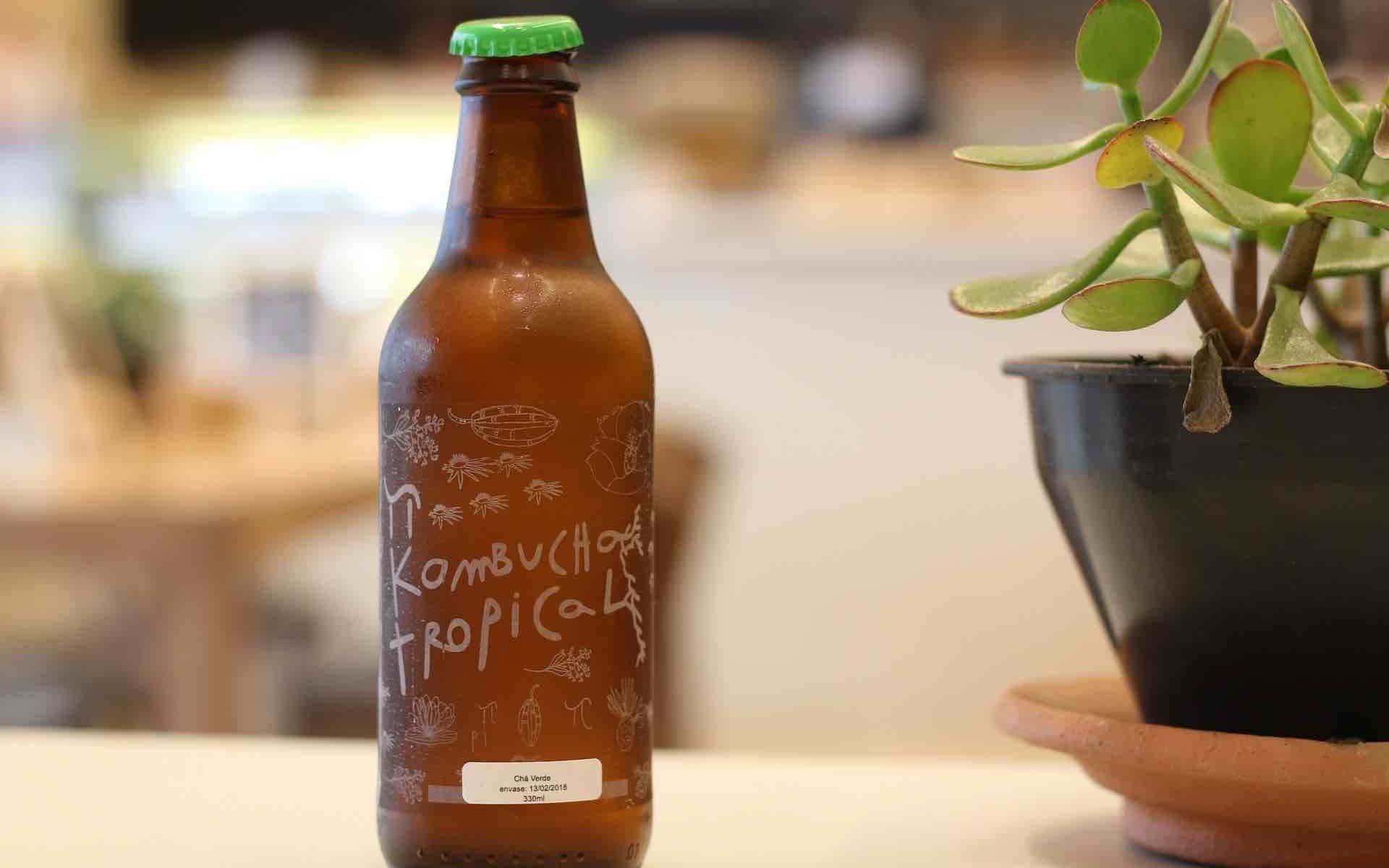
Take a look at Courtney Leiva’s kombucha face wash story. Leiva brewed her own batch of kombucha to reap the benefits of the fermented tea beverage’s probiotics. While probiotics are scientifically proven to improve skin health, including alleviating acne, rosacea and eczema, it’s important to note probiotics work in different ways depending on the types of bacteria they contain.

Activating Yogurt and Kombucha Health Benefits

There are two types of bacteria in probiotics that improve your skin: aerobic bacteria and anaerobic bacteria. Aerobic bacteria require oxygen to thrive and work their magic. Then there are anaerobic bacteria, which lose their health effects when they come into contact with oxygen.

Topical yogurt and kombucha skincare regimens are ineffective because they possess anaerobic bacteria. These probiotics lose their potency because oxygen abounds when washing your face and leaving facemasks to dry.

To fully enjoy the yogurt and kombucha health benefits you hear about, you should consider eating these food products instead of putting them on your face. When ingested, their probiotics boost the immune system within the intestinal tract to effectively manage inflammation and immune responses, ultimately enhancing skin health.

Why Aerobic Bacteria?

Probiotic skincare products featuring aerobic bacteria are the best option for topical regimens. When aerobic bacteria come into contact with oxygen, they collaborate with human cells to strengthen your immune system and diminish germs.

Here’s how it works: You apply the topical probiotic with aerobic bacteria to reintroduce healthy bacteria to your face. These healthy, anti-inflammatory bacteria compete with harmful bacteria for food and resources. Eventually, these probiotics restore the skin’s optimal bacterial balance while minimizing skin problems like rosacea, eczema and acne.

Where can I Find Skincare Products with Aerobic Bacteria?

While yogurt and kombucha contain essential bacteria for supporting skin and immune system health, it’s better to ingest them to maximize their potential. Choosing topical skincare products with aerobic bacteria can help you achieve results when applied properly.

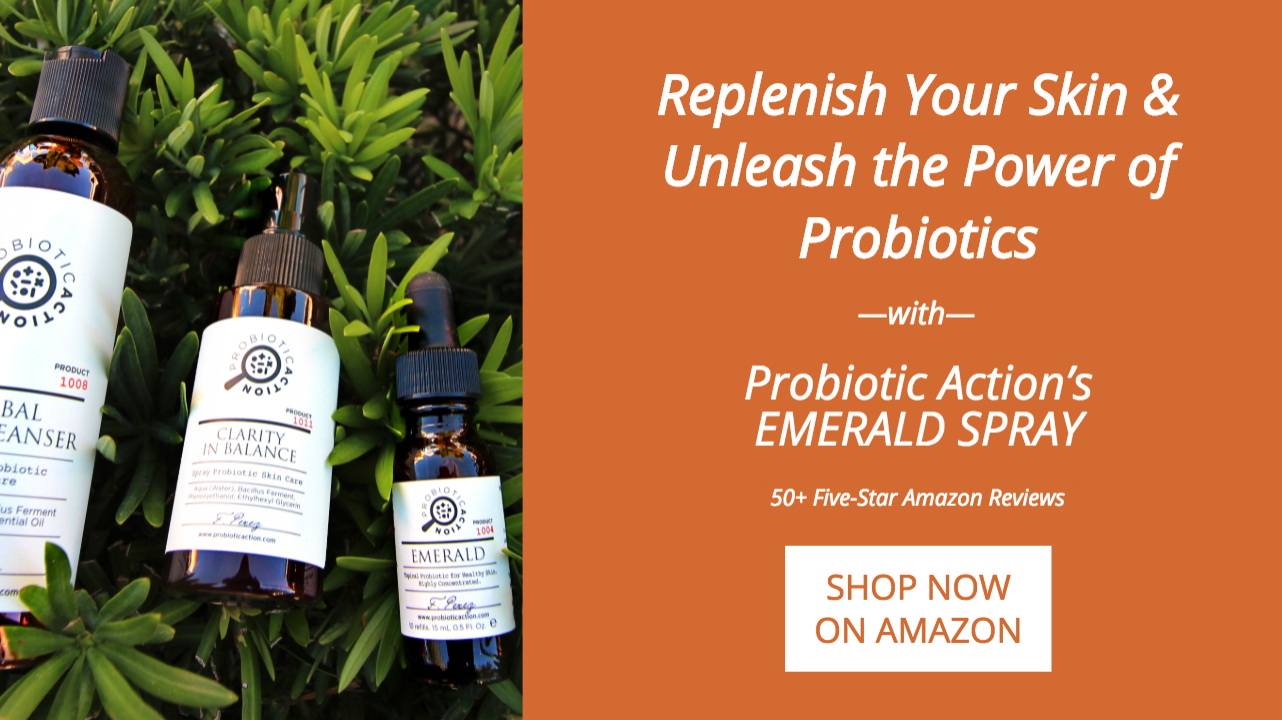
Skincare products like Probiotic Action® are formulated with Bacillus subtilis, a bacteria you can find on healthy human skin. You can also find Bacillus subtilis in your stomach, plants and soil.

So, how does Probiotic Action® work? A simple spray coats the skin with a layer of Bacillus subtilis to counter harmful bacteria. By eating dead skin cells and toxins harmful bacteria need to survive, Probiotic Action® products naturally wipe out these bacteria on the skin’s surface and deep within pores.

The end result? A much-needed immune boost countering the negative effects of environmental damage, all while returning the healthy glow you desire.

Remember to keep these scientific factors in mind to enjoy the yogurt and kombucha health benefits beauty bloggers are talking about. In short, probiotics are complex. While aerobic and anaerobic bacteria both support healthy skin and immune systems, they operate in two very different ways. Balancing their effects can help you achieve soft, taut and healthy skin—no gimmicks required.
CTA_Emerald Spray_Probiotic Skincare

Avoiding Harsh Chemicals In Dealing With Common Issues

Deliberately taking bacteria? Offhand you may dismiss it with a laugh.
You really shouldn’t.
There are many bacteria in our gut that perform essential functions and can offer us protection against a lot of issues.
So much so that in many cases you can avoid artificially made chemical concoctions and depend on bacteria that are already in your gut.

Take for example tummy ache in kids.
Anyone who’s ever had kids can attest to the fact that it’s a common enough issue.
Now, tummy ache can be due to various causes. Some of them, like appendicitis, gall bladder problems and hernia need instant attention from expert medical care professionals.
However if it’s due to more common issues like gas or bloating, may I suggest a round of probiotics?
A simple enough dose of Bifidobacterium infantis in conjunction with some other probiotics should relieve gas and bloating (which are both symptoms of Irritable Bowel Syndrome).
Instead of a yucky oral medicine, these probiotics are available in very attractive forms, for example as citrus flavored pearls(2). Taste is very important in persuading children to take them regularly.

A common enough problem faced by many teens is acne. Research indicates acne vulgaris to be associated with a type of bacteria known as Propionibacterium acne.
Thus far, researchers have been able to conclude that a healthy microbiome is key to keeping the acne-associated bacteria at bay.
A healthy and balanced microbiome is also key to ensuring that bad bacteria do not thrive on your skin.
During teen age, hormonal changes occur. Such changes almost inevitably result in excess sebum production which in turn will block pores.
In such a situation a balanced microbiome will ensure bad bacteria does not thrive, which should stop most acne symptoms from manifesting.

Vaginal and urinary tract infections are common and frequently embarrassing problems for women.
Now of course there are conventional treatments available for both but numerous studies show they may not be very effective always.
As before, regular probiotic consumption has a lot of potential to succeed where antibiotics may fail.
For example a preparation that combines Lactobacillus acidophilus and Lactobacillus brevis(1) should prove very effective in reducing UTI’s and vaginal issues.
In addition, such preparations almost invariably have many other positive effects like anti-aging and dealing with Irritable Bowel Syndrome.

And for all you men out there who keep eating red meat and worrying about rising cholesterol, there’s a probiotic solution for you as well!
Well, that doesn’t mean you should eat red meat till you drop, but you can keep consuming a reasonable amount while banking on a probiotic like one including Lactobacillus fermentum(1) while also helping with Irritable Bowel Syndrome symptoms and generally boosting immunity.

So, that’s about it.
I’ve taken up a number of typical issues for various demographics and explained the probiotic options there are for those. Probiotics are out there, growing in stature and offering easier solutions to many (not all though) issues and in some cases even outshining antibiotics.
Now, you choose.

Top 5 Skin Care Ingredients To Avoid

Stop sabotaging your skin! Many common skin care and acne products like face washes and body soaps contain ingredients that may be harmful to the skin and overall health in the long run. To avoid unnecessary health risks, here are the top five skincare ingredients to avoid:

1. Parabens
Parabens compounds that are often used as preservatives in beauty products. The four most common include methylparaben, propylparaben, butylparaben, and ethylparaben.

Why should you avoid these products? They can mimic hormones in the body, perhaps contributing to hormonal imbalance.

Some parabens have been found in breast cancer tissue and may even contribute to the growth of estrogen-related cancerous tumors

2. Fragrance
When you take a hot shower, pores in the skin open. This means that they are primed to soak in nourishment from their surroundings. Synthetic fragrances are commonly added to skincare and beauty products, but many of these compounds have yet to be adequately tested for safety

According to the Environmental Working Group, ingredients labeled as simply fragrance or parfum often refers to an “undisclosed mixture of various scent chemicals and ingredients.”

If you don’t know what it is, how do you know whether or not its safe to use on the body’s largest organ

Many fragrances may be compounds called phthalates, which are plastics. These compounds can cause allergic reactions in the skin, suggesting that they interfere with the immune system, promote inflammation, and are not ideal for optimal skin health

3. Triclosan
Many skincare products marketed to consumers with acne contain antimicrobial agents like Triclosan. Continuously using antimicrobial agents disrupts the natural skin microbiome and makes it far more difficult to recover to health.

Research suggests that the overuse of Triclosan may contribute to antibiotic resistant strains of bacteria. This means that infections on the skin will only become harder to eliminate. This is bad news for the health of communities and individuals alike.

4. Sodium lauryl sulfate/Sodium laureth sulfate

Both sodium lauryl sulfate (SLS) and sodium laureth sulfate (SLES) are commonly found in soaps and cleansers. These products can contribute irritation of the lungs, skin, and eyes. This irritation suggests that these products have negative interactions with the immune system.

Some experts also suggests that SLS and SLES may be contaminated with the carcinogens ethylene oxide and 1,4-dioxane, which is a by-product of ethylene oxide.

The overall safety of SLS and SLES is a topic of much debate, as earlier claims that this compound is a carcinogen itself have been disputed. However, it’s safe to say that these are probably not ingredients that you want to have close to your eyes, lips, and other mucous membranes.

5. Talc
Talc is an ingredient that was commonly used in baby powders. Unfortunately, research suggests that talc is a risk factor for ovarian cancer. Though, no conclusive evidence exists to determine whether or not talc actually causes cancer independently.

Regardless, talc is has a similar chemical structure to asbestos and is an ingredient that is likely safer to avoid.

Where to find a safe alternative

Finding safe skin care products can be a real hassle. To make things easy, we’ve created an all natural Probiotic Herbal Cleanser that works by bathing the skin in nutritious oils, healing rosemary extract, and beneficial bacteria.

To learn more about Probiotic Action’s safe Probiotic Herbal Cleanser, check it out here.

Click here to go back to Probiotic Action@

Probiotic Action Shares 5 Tips to Protect your Skin this Summer

With summer here many are looking to shed layers and hit the beach. For some, the idea of letting their acne prone skin out in the sunlight is worrisome. For those suffering from acne, Probiotic Action, well known as the best acne treatment offers 5 tips with insight from Shape Magazine on how to care for acne prone skin this summer.

1.) Don’t over dry skin: Using harsh scrubs or drying masks before staying in the sun will allow the skin to burn faster. Even using these products a day before may weaken skin, and expose fragile skin to harmful UV rays

2.) Use the right sunscreen: This week Shape Magazine offered the best sunscreens for all skin types, find out what sunscreen is right for your skin here:

3.) Use the best acne treatment: Using an acne treatment that contains antibiotics may make skin more prone to burns and irritation. Using an acne cream that will not increase the skin’s sensitivity to light may be the best acne treatment.

4.) Stay hydrated: Aside from using the right sunscreen, staying hydrated by drinking plenty of water will help skin fight burns, and balance the PH level of skin.

5.) Take/topical the right supplements: Preventative vitamins like C (topical) , B, and Beta Carotene are said to make skin more “sun ready”. For those suffering from acne, using preventative probiotics, as a topical acne cream and ingested pills may help better balance the skin.

Perez adds that It is very difficult for vitamin C to reach the skin and help repair/protect it, for that reason the best option is a topical vitamin C. If you suffer with acne or rosacea a 5% concentration is the maximum recommended. Additionally, while some of these suggestions may help some suffering from acne, these recommendations should always be consulted with a physician.

Probiotic Action is an advanced acne treatment that uses Probiotics for acne containing the “good bacteria” that is naturally found on healthy human skin. By using probiotics, Probiotic Action is an effective treatment that restores the normal bacteria content on skin. Probiotic Action will successfully clear skin when used as an adult acne treatment while protecting skin against bad bacteria, free radicals, and pollutants*.

Read more: http://digitaljournal.com/pr/1227770#ixzz37qoPhn7j

Eating Right for Your Skin

Thankfully we are past the fall holidays, which are usually a time of food overindulgence. One of the unfortunate side effects of eating improperly is what it can do to our skin. What we eat has just as much effect on our skin as the environment. So what can you do to help your skin look its best? Here are some suggestions that go beyond the daily use of probiotics for acne and involve a healthier diet and eating habits.

1. Drink lots of water – In general, you should be drinking half of your body weight in ounces of water per day. So if you weigh 120 pounds, you
should be drinking 60 ounces of water a day. This helps keep you properly hydrated, helps to clean out your system, and helps your skin keep
a healthy glow. Water is one of the most natural products to cure acne.

2. Foods high in Vitamin C – Aside from your citrus fruits like oranges and such, there are lots of other foods rich in Vitamin C that you can
eat such as chili peppers, red and green bell peppers, kale, strawberries, and guava. Why Vitamin C? It helps fight free radicals which can
damage your skin.

3. Stock up on selenium – Never heard of it, have you? Selenium, which can be found in pumpkin seeds, Brazil nuts, and whole wheat products, can
help increase white blood cell count to fight off infection.

4. Olive oil – Do you cook with olive oil? If you do, you know it’s usually better for you than canola or vegetable oil. It’s also good for your
skin. Antioxidant rich, it helps to keep your skin looking younger by maintaining moisture. Extra virgin first cold press olive oil is the
best option as later presses add water and lose valuable nutrients.

You don’t have to make a radical change to your diet for your skin to start looking and feeling better. In general, the foods that we listed should be part of your daily diet anyway. Vitamin C and antioxidants are key nutritional components that you should be getting every day. As with any foods, you have to be careful to not overdo it or you run the risk of mitigating any healthy benefits, especially if you have other underlying health issues. But at least you know that there are definitely some super healthy snack options that can help your skin look and feel better!
eat-probiotics

Banning Antibiotics for Acne

Probiotic Action Explains New Insight on Banning Antibiotics for Acne

A recent article published on burtonmail.com shared insight on how some physicians are reviewing the use of antibiotics as an acne treatment, with consideration towards the end of using them as an acne treatment. As the article states, the continued use of antibiotics not only has a negative effects on ones micro-biome, but may also be strengthening and worsening skin conditions caused by the P.acnes, acne causing bacteria.
As a leader in probiotic education and awareness, Probiotic Action, best known for their adult acne treatment powered by probiotics, shares why discontinuing antibiotics for treating acne, may be the best acne treatment option. Antibiotics are designed to target all types of bacteria, regardless of whether or not they may be helpful to the human system. When taking antibiotics for acne, all good and bad bacteria are wiped from the system, leaving the bacteria that survive, to be more resistant to the drug.
The team at Probiotic Action suggests that for those suffering from acne, the continual use of antibiotics will remove the bacteria that helps protect skin from the spread of P.acnes bacteria, rather than removing only the P.acnes itself. Alongside the dangerous removal of essential bacteria, antibiotics also dry the skin, and create UV light sensitivity, which may cause scarring from acne, and weaken the skin, rather than allowing it to heal and protect itself.

“Controlling levels of bacteria is the way to decrease acne breakouts, rather than removing it. In a world where we use antibiotics for almost every infection or illness, we have created strains which are resisting treatment, and worsening some conditions,” added Probiotic Action spokesman Fernando Perez. “Using probiotics for acne rather than antibiotics will help protect against harmful bacteria, and strengthen good bacteria to prevent infection, inflammation, and of course, the spread of acne causing bacteria,” said Perez in his final comments.
For further insight on benefits of probiotics, why they are known as “the best acne treatment”, and information on using probiotics for acne, visit ProbioticAction.com. To stay in touch with Probiotic Action as they offer new products, like them on Facebook for reviews and product updates.
Probiotic Action is an advanced acne treatment that uses probiotics for acne containing the “good bacteria” that is naturally found on healthy human skin. By using probiotics, Probiotic Action is an effective treatment that restores the normal bacteria content on skin, while battling what causes acne.
Probiotic Action will successfully clear skin when used as an adult acne treatment while protecting skin against bad bacteria, free radicals, and pollutants*. Click here for more info.
*These statements have not been evaluated by the Food and Drug Administration. Probiotic Action is not intended to diagnose, treat, cure or prevent any disease.