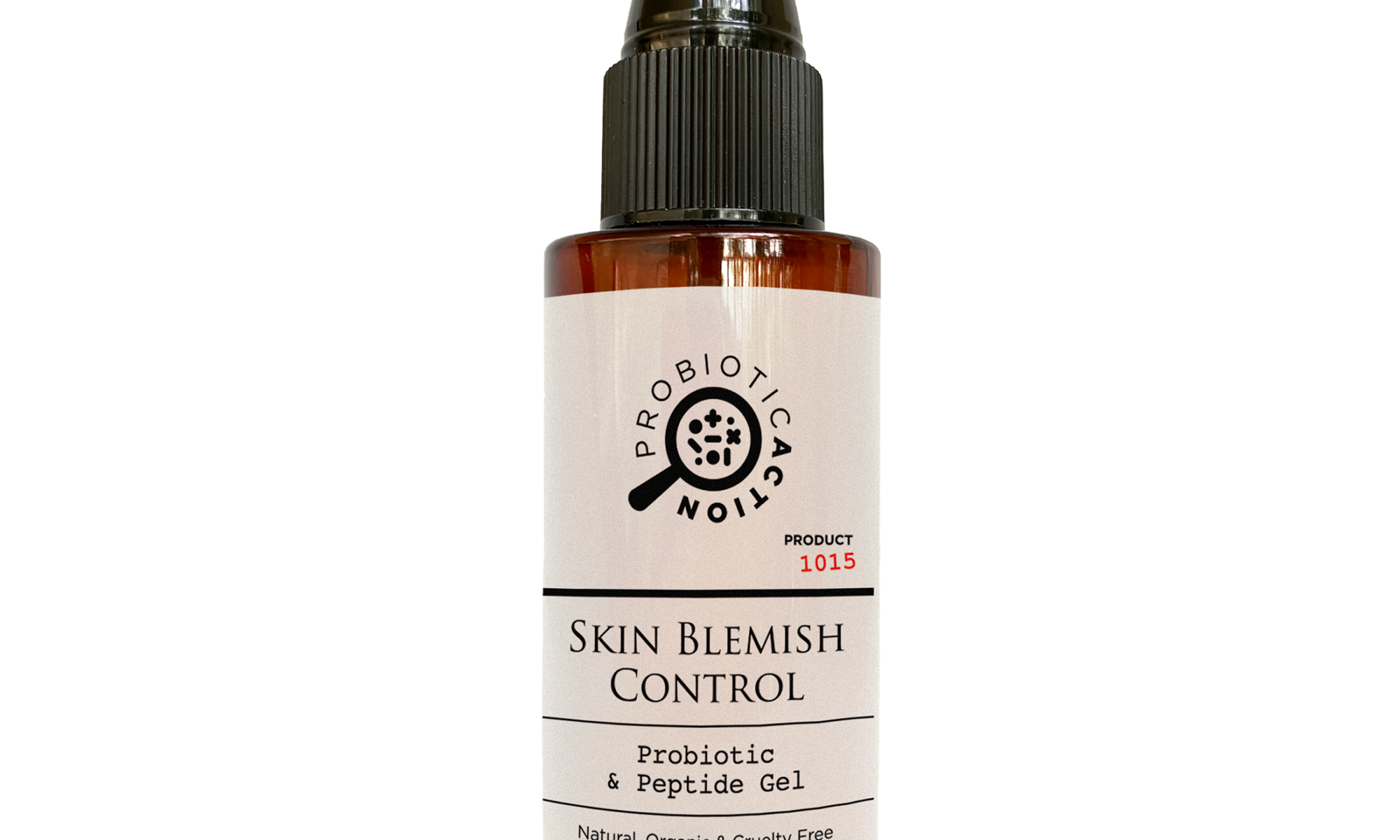
Skin Blemish Control

Skin Blemish Control

Probiotic and Peptide Complex Hydrating Gel

NON-GREASY and FAST ABSORBING – This lightweight formula goes on like a serum, feels like a gel, and hydrates like a thick cream; Fast absorption without tacky residue; ideal for all skin types, including sensitive, oily, and acne-prone skin; Non-GMO; fragrance, paraben, and cruelty, free.

STRONGEST NON-PRESCRIPTION ANTI-ACNE PROBIOTIC FORMULA – This naturally-derived, breakthrough topical probiotic formulation prevents the risk of acne, rosacea, and eczema and can be used for an extended period.

3 benefits of topical probiotics for inflammation

acne teen

The skin is teeming with life. A microscopic universe in its own right, potentially billions of microbes live on the surface of the skin. While the function of these microbes have long been overlooked, research over the past two decades has revealed that bacteria play a vital role in skin health. In fact, microbes may be in part responsible for easing inflammation and keeping the skin happy and healthy. To prove our point, here are three major benefits of topical probiotics for inflammation:

3 benefits of topical probiotics for inflammation

Researchers are just beginning to unravel the benefits of topical probiotics for inflammation. Yet, the discoveries thus far have been nothing short of amazing. Here are three reasons why topical probiotics can help irritated skin:

1. Probiotics boost immune function

Recent research indicates that skin cells are in regular communication with resident microbes. As it turns out, this communication has a beneficial impact on our immune system.

To quote Bonnie Bassler, who discussed bacterial communication in a 2009 TED Talk,

“[Microbes] cover us in an invisible armor that keeps environmental insults out so that we stay healthy.”

Microbes release chemical compounds as they process the foods they eat, in response to other microbes, and in response to their environment. Interestingly, its the communication between microbes and human skin cells that can strengthen the skin’s immune system.

When it comes to topical probiotics for inflammation, the presence of certain beneficial bacteria can decrease inflammation in the skin. This is because certain bacteria can determine whether or not the skin is safe and healthy at a given moment.

2. Topical probiotics can fight pathogens

Did you know that bacterial imbalance is a major contributor to acne?

Acne occurs when excess oils on the skin provide food for pathogenic bacteria.

Research has found that some beneficial probiotics, like the bacillus subtilis included in Probiotic Action, produces chemical compounds that target specific common pathogens.

These pathogens include Staphylococcus aureus, which is beneficial in small concentrations, but may also contribute to skin diseases like eczema when the community is imbalanced.

Not only do beneficial bacteria fight pathogens directly, but they may also compete with pathogens for the same food source.

When beneficial topical probiotics are applied, they can out-compete inflammatory microbes and thereby fight infection and ease inflammation.

3. Topical probiotics may ease inflammatory skin conditions

Research on topical probiotics is only just emerging. However, probiotics for skin conditions is a promising area of research.

Excess inflammation is a major culprit in a number of skin conditions, including acne, rosacea, and eczema. Yet, what do these conditions also have in common? Disruptions in the skin microbiome.

While many of these conditions are treated with steroids and antibiotic medications, neither of these treatments address an underlying microbial imbalance.

For this reason, treatment with topical probiotics is an emerging area of skincare.

A new generation of topical probiotics for inflammation

Leading with a revolutionary new product, Probiotic Action has used years of research to create a new line of powerful topical probiotic treatments for inflamed and irritated skin.

Our topical probiotic products for inflammation include the Bacillus subtilis bacteria. This bacteria is naturally found on vegetation, in soil, in the gut and on human skin.

To improve skincare with safe, microbe-friendly products, we’re proud to announce the launch of our new Clarity in Balance topical probiotic spray.

Clarity in Balance is our most innovative and potent topical probiotic yet. Using the included ultrasonic Nano Mist Sprayer, beneficial probiotics are delivered deep into the pores.

This Probiotic Action eases inflammation, fights pathogenic bacteria, and calms skin irritation. Want to learn more about how our new product works? Continue learning here.

The Everyday Dangers of Using Harsh Chemicals On Your Skin

Most of us want beautiful, fresh, blemish free skin. After all, our skin (especially on our faces) is one of the first things you notice about a person. Therefore, it is no wonder that the average woman spends $15,000 on beauty products in her lifetime!

Of course, this is why many of us reach for bottled lotions and potions, be it to eliminate enlarged pores or fill in wrinkles – but if you’re an acne sufferer, you’re even more likely to reach for anything that claims to alleviate the issue.

The problem is, the beauty products we find on our shelves today are highly unregulated. There are thousands of chemicals in everyday beauty products and what is important to remember is that many of these are absorbed by your skin and enter your bloodstream. That’s why just in the same way you would check food packaging to ensure what you’re putting into your body is safe, the same should be considered with beauty products.

Are There Really Harsh Chemicals in Beauty Products?

Yes. Currently the regulations regarding beauty products are minimal. Some of the most common chemicals have been shown to have serious long term negative health effects including promoting the development of different kinds of cancer.

Let’s take a look at just some of the most common chemicals and their potential dangers.

Parabens

Parabens are preservatives that are widely used in cosmetic products as they prevent the growth of bacteria. You may have heard of parabens before as nowadays, many plastic drinkware companies advertise their products as “paraben free”.

The reason many companies are quick to boast about the lack of parabens in their products is because studies have shown them to be linked to an increased risk of breast cancer, due to their estrogen-mimicking abilities (source). Parabens have even been identified in breast tumor biopsy samples.

Fragrance

Fragrance is a pretty vague term – I mean, what is a fragrance anyway? The truth is, that fragrance concoctions can be responsible for extreme allergic reactions and dermatitis according to the EWC Deep Skin Database (source).

Originally, the term fragrance was coined as a way to prevent companies from giving away their “secret ingredient” that gave their product that special je ne sais quoi. However in reality, it has enabled companies to concoct a blend of potentially harmful toxins and not have to state it on the label.

Synthetic Colors

Certain types of synthetic colors are actually made from coal tar and petroleum (source) and current scientific research suspects them to be a human carcinogen (source).

You will note synthetic colors listed on the back of product labels as D&C red 1 or FD&C Green 26 for example. These food (F), drug (D) and cosmetics (C) colors have been shown to not only irritate skin but also show links to ADHD in children (source).

FD&C and D&C colors are considered so dangerous in some parts of the world that the European Union has actually banned their use (source).

How to Avoid Using Harsh Chemicals on Your Skin

Of course, the above chemicals are only the top three of a very long list you will find in everyday skincare products throughout your home. It is obviously impossible to avoid all the synthetic chemicals out there as they are in everything we use from deodorant to sunscreen, but you can do your best to limit how many toxic chemicals your body is exposed to, especially if you have sensitive skin.

Ideally, everyone should try to remove these kinds of products from their skincare regime, but those with skin issues like acne or with allergies should definitely leave these products by the wayside.

The best way to avoid using harsh chemicals is to choose products that are organic and natural. With everyday, well known, natural ingredients such as herbs and probiotics. Also, aim for products clearly advertised as “100% natural” and “chemical free / fragrance free”.

Moreover, look for certifications from the governing bodies like the FDA or labels like “certified organic”.  This will help to ensure anything you put on your skin will not have any kind of adverse effects.

Conclusion

In order to stay safe with beauty products and prevent the everyday dangers of using harsh chemicals on your skin, try doing your research about products before purchasing them, especially when buying online. Also, make checking your beauty product labels a habit.

Educate yourself in order to recognize the ingredients to beware of to help you and your family stay safe.

Helen Sanders is chief editor at HealthAmbition.com. Established in 2012, Health Ambition has grown rapidly in recent years. Our goal is to provide easy-to-understand health and nutrition advice that makes a real impact. We pride ourselves on making sure our actionable advice can be followed by regular people with busy lives.

Best skin care tips for back to school

acne teen

Summer is winding to a close. Days are getting shorter, nights are cooler, and it’s time to get back into the swing of everyday life. A new school year means another chance to reinvent and explore. Why not start kick off the year with a healthy new routine and nourishing skincare products? Here’s how to maintain glowing skin this school year: 

Best skin care tips for back to school

Healing acne-prone, dry, or combination skin can take some trial and error. Too often, harsh chemical concoctions or aggressive antibiotic creams and tablets are the first line of defense for skin blemishes and problems.  

Instead of trying product after product, there are a few simple tips and tricks that can greatly improve your skin health. Here are a few to consider:

  1. Clean your cell phone screen regularly

Cell phones are surprisingly dirty pieces of technology. You often hold them in your hands throughout the day, exposing them to whatever else you’ve happened to touch.  

You then put all of this unknown dirt and bacteria right next to the sensitive skin on your face when you use your phone.

You can clean your cell phone screen by spraying a soft cloth and a little white vinegar mixed with water. Vinegar is naturally antimicrobial, making it a great natural choice for cleaner.  

Changing pillowcases at least twice per week can also help keep unwanted dirt and oils off of the skin.

  1. Get into a healthy skincare routine

Did you know that there are as many as one hundred trillion bacteria and other microorganisms that live on the skin? These bacteria make up what is called the skin microbiome, which is like a microbial ecosystem that each person carries around on their bodies.

A healthy skincare routine means avoiding overly harsh soaps and chemicals that can dry out the skin and disrupt the natural balance of healthy microbes on the skin. A balanced skin microbiome means healthy, blemish-free skin.

Washing the face with an all-natural gel or cream cleanser once daily, removing all cosmetics before bed, and drinking plenty of water are all important aspects of a healthy skincare routine.

Topical probiotics like Probiotic Action’s Emerald Spray excellent additions to a daily skincare regimen. Topical probiotics re-introduce beneficial and anti-inflammatory bacteria to the skin when it shows signs of imbalance. 

  1. Don’t touch

Have pimples? Stop popping them! If breakouts are your problem, touching and picking at the skin may only worsen the condition.  

Instead, try wetting down a cotton pad or a washcloth with some apple cider vinegar and applying the natural toner to the infected area.

After the toner has begun to evaporate, apply a topical probiotic. A probiotic spray can easily reintroduce beneficial bacteria to the skin without coating the skin in potentially aggravating oils, creams, or other chemicals after toning. 

  1. Approach skincare from the inside out

The skin is the largest organ in the body and, as mentioned above, its home to trillions of helpful microorganisms. To keep these microorganisms happy and healthy, a healthy diet is crucial.  

Common food allergens like dairy and wheat can promote systemic inflammation, causing imbalances in the immune system as well as the microflora living on and inside the body.  

Many beneficial microorganisms like to eat fiber, especially fiber that comes from leafy green vegetables, onions, garlic, leeks, and jerusalem artichoke. Drinking plenty of water and a plant-filled diet provides a solid base for glowing skin.  

How to get Probiotic Action

Want to kick the school year off with a bang? Probiotic Action is having a Back to School Sale! Topical probiotics are an excellent addition to a daily skincare routine, helping to restore and maintain an appropriate balance of microflora on the skin.

For a limited time only, Probiotic Action is offering 20 percent off of our Emerald Probiotic Spray. The Emerald Spray contains a concentrated dose of Bacillus subtilis. We like to called this organism “the good bacteria.”

Purchase your Emerald Spray on Amazon here and use promo code CG2T6HOF for the discount.

Teen Acne

If you have acne, you are not alone. Acne is the most common skin problem in the United States. In fact, an estimated 80 percent of people between age 11 and 30 have experienced acne. Still, having constant pimples can be embarrassing and painful. Fortunately, there is a new trend in teen skincare: topical probiotics.

Topical probiotics help teen acne by treating the face with beneficial bacteria. Many teens often turn to prescription medications or harsh washes and cleansers to get rid of acne. But, many of these products can irritate the skin, causing dryness or making acne worse. Can probiotics make a difference? Here’s how topical probiotics work for teen acne:

What causes teen acne?
Teen acne is not simply a problem with bacteria. Breakouts occur when hormones change. Hormones are chemical messengers that help the brain communicate with the rest of the body. During puberty, hormones that control oil production in the skin are released in large amounts for the first time.

With acne, hormones called androgens are the cause of the trouble. Androgens are often called “male hormones” because they are more abundant in men. However, both boys and girls begin to produce androgens like testosterone during puberty. Testosterone triggers the production of oil in the skin.

Pimples pop up when glands in the skin cause the body to overproduce an oil called sebum. In the right amounts, sebum is a good thing. It waterproofs and helps lubricate the skin, preventingit from getting too dry.

With acne, however, too much sebum clogs pores and traps in irritating bacteria. This bacteria isa part of what is called the skin microbiome, which is the term for the unique ecosystem of bacteria that lives permanently on the skin.

Sometimes, parts of this ecosystem becomes imbalanced. Beneficial bacteria can be overtaken by more harmful, inflammatory bacteria. With acne, an infection starts in a pore when a community of inflammatory bacteria has a feast on the excess sebum.

Do probiotics help teen acne?

After washing with a gentle skin cleanser, applying a topical probiotic re-introduces beneficial bacteria to the skin. These bacteria can then outcompete the bad bacteria by hogging their food sources.
Beneficial bacteria like Bacillus subtilis, which is an ingredient in Probiotic Action®, also release chemical compounds that help them overpower other bacteria. Bacillus bacteria is naturally found in healthy skin and soil, and is not known to colonize the body like acne-related bacteria.

Topical probiotics are an alternative or an addition to antibiotics and harsh skin cleansers. After antibiotic acne treatment, topical probiotics can be applied to re-populate the skin with beneficialbacteria. They can also be used as a spot treatment at the first sign of a pimple or breakout. With continuous application, teens will see clearer skin within one week. This is especially true when accompanied by adequate sleep, lots of water, and a healthy diet low in sugar and caffeine.

Where do you find topical probiotics for acne?

Probiotic Action® offers a line of probiotic skincare treatments and face washes. For difficult to treat skin, Probiotic Action has created the Healthy Balance 2 Step Restoration Kit. The kit includes a probiotic gel cleanser, which contains skin-healthy sunflower and coconut oil, as well as antimicrobial rosemary extract.

The cleanser followed by the Emerald Topical Probiotic Spray Treatment, which offers a highly concentrated dose of Bacillus bacteria. The Emerald Topical spray can also be used as a spot treatment in between major breakouts. All of Probiotic Action products are vegan, chemical free, fragrance free, non-toxic. To shop Probiotic Action, click here.

ALSO, Probiotic Action® is please to provide followers with a discount code!
Enter 4KCF7JXWQ21J at checkout and get $5.00 off!!

Adult Hormonal Acne

As the term might suggest, hormonal acne is acne that is triggered by hormonal changes in the body. To get rid of the acne completely, working with a doctor to find the root cause of hormonal troubles is recommended. However, topical interventions can still help. Here’s why you should consider probiotics for hormonal acne:

What is hormonal acne?
Hormonal acne causes cysts to show up on the chin and around the forehead. Male hormones called androgens are the culprits, testosterone included. These hormones encourage glands in the skin to produce more oil. As a result, pores become clogged, making the perfect breeding ground for a bacterial imbalance.

Both men and women can experience hormonal acne and the condition is most common during the teen years. Adult acne, however, is becoming far more common. A 2008 study conducted by the University of Alabama found that 50 percent of women between the ages of 20 and 29 had adult acne. 26 percent of women between the ages of 40 and 49 were affected.

Hormonal Acne
Do probiotics work for hormonal acne?

In the clinic, antibiotics are often used in defence against severe acne. However, there may be reason to opt for a probiotic instead. The skin is coated by a microscopic ecosystem of bacteria, fungi, viruses, and other microbes. These tiny free-riders work symbiotically with human cells, contributing to a healthy immune system.

Unfortunately, imbalances in the skin microbiome can also contribute to acne, even if the underlying cause is hormonal. In hormonal acne, bacterial imbalance can still contribute to inflammation and cysts.

One of the theories behind the effectiveness of topical probiotics is that beneficial bacteria can crowd out or out compete pro-inflammatory bacteria. Bacteria belonging to the species Propionibacterium acnes are thought to be the primary instigators of acne pimples and cysts.

Applying a probiotic to the skin offers a dose of helpful bacteria in hopes of reducing the problematic community. Microbes like Bacillus subtilis, an active ingredient in Probiotic Action, are naturally found in the soil and on vegetation. They are also a natural part of a healthy skin and gut microbiome.

When placed on the skin, these live bacteria compete for food and resources with other strains. Bacillus subtilis is known to compete with other bacterial species by excreting compounds that are toxic to certain microbes. 

This helps the beneficial Bacillus subtilis take up residence on the skin while more harmful types of bacteria are crowded out and possibly killed off. Unlike P. acnes bacteria, is rare for Bacillus subtilis to colonize on the body. This means that it is safe to spray on the skin without aggravating the acne.

Where to find probiotics for acne

Probiotic Action offers two probiotic sprays that can be used topically for acne. The Probiotic Action Sprayer contains two ingredients: purified water and Fermented Bacillus subtilis. To use, simply dilute the probiotic fluid with some filtered water and apply to the affected area.

For best results, it is recommended to wash your face with a gentle but deep cleanser like Probiotic Action’s Bentonite Clay Cleanser. If using your own cleanser, an organic product is recommended.

Probiotic Action Shares 5 New Tips for Acne Sufferers To Protect their Skin this Summer

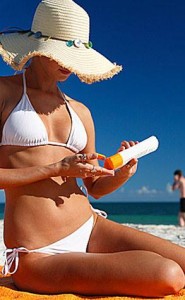
With summer here many are looking to shed layers and hit the beach. For some, the idea of letting their acne prone skin out in the sunlight is worrisome. For those suffering from acne, Probiotic Action, well known as the best acne treatment offers 5 tips with insight from Shape Magazine on how to care for acne prone skin this summer.

1.) Don’t over dry skin: Using harsh scrubs or drying masks before staying in the sun will allow the skin to burn faster. Even using these products a day before may weaken skin, and expose fragile skin to harmful UV rays

2.) Use the right sunscreen: This week Shape Magazine offered the best sunscreens for all skin types, find out what sunscreen is right for your skin here:

3.) Use the best acne treatment: Using an acne treatment that contains antibiotics may make skin more prone to burns and irritation. Using an acne cream that will not increase the skin’s sensitivity to light may be the best acne treatment.

4.) Stay hydrated: Aside from using the right sunscreen, staying hydrated by drinking plenty of water will help skin fight burns, and balance the PH level of skin.

5.) Take/topical the right supplements: Preventative vitamins like C (topical) , B, and Beta Carotene are said to make skin more “sun ready”. For those suffering from acne, using preventative probiotics, as a topical acne cream and ingested pills may help better balance the skin.

Perez adds that It is very difficult for vitamin C to reach the skin and help repair/protect it, for that reason the best option is a topical vitamin C. If you suffer with acne or rosacea a 5% concentration is the maximum recommended. Additionally, while some of these suggestions may help some suffering from acne, these recommendations should always be consulted with a physician.

Probiotic Action is an advanced acne treatment that uses Probiotics for acne containing the “good bacteria” that is naturally found on healthy human skin. By using probiotics, Probiotic Action is an effective treatment that restores the normal bacteria content on skin. Probiotic Action will successfully clear skin when used as an adult acne treatment while protecting skin against bad bacteria, free radicals, and pollutants*.

Read more: http://digitaljournal.com/pr/1227770#ixzz37qoPhn7j

Probiotic Action Shares 5 Tips to Protect your Skin this Summer

With summer here many are looking to shed layers and hit the beach. For some, the idea of letting their acne prone skin out in the sunlight is worrisome. For those suffering from acne, Probiotic Action, well known as the best acne treatment offers 5 tips with insight from Shape Magazine on how to care for acne prone skin this summer.

1.) Don’t over dry skin: Using harsh scrubs or drying masks before staying in the sun will allow the skin to burn faster. Even using these products a day before may weaken skin, and expose fragile skin to harmful UV rays

2.) Use the right sunscreen: This week Shape Magazine offered the best sunscreens for all skin types, find out what sunscreen is right for your skin here:

3.) Use the best acne treatment: Using an acne treatment that contains antibiotics may make skin more prone to burns and irritation. Using an acne cream that will not increase the skin’s sensitivity to light may be the best acne treatment.

4.) Stay hydrated: Aside from using the right sunscreen, staying hydrated by drinking plenty of water will help skin fight burns, and balance the PH level of skin.

5.) Take/topical the right supplements: Preventative vitamins like C (topical) , B, and Beta Carotene are said to make skin more “sun ready”. For those suffering from acne, using preventative probiotics, as a topical acne cream and ingested pills may help better balance the skin.

Perez adds that It is very difficult for vitamin C to reach the skin and help repair/protect it, for that reason the best option is a topical vitamin C. If you suffer with acne or rosacea a 5% concentration is the maximum recommended. Additionally, while some of these suggestions may help some suffering from acne, these recommendations should always be consulted with a physician.

Probiotic Action is an advanced acne treatment that uses Probiotics for acne containing the “good bacteria” that is naturally found on healthy human skin. By using probiotics, Probiotic Action is an effective treatment that restores the normal bacteria content on skin. Probiotic Action will successfully clear skin when used as an adult acne treatment while protecting skin against bad bacteria, free radicals, and pollutants*.

Read more: http://digitaljournal.com/pr/1227770#ixzz37qoPhn7j

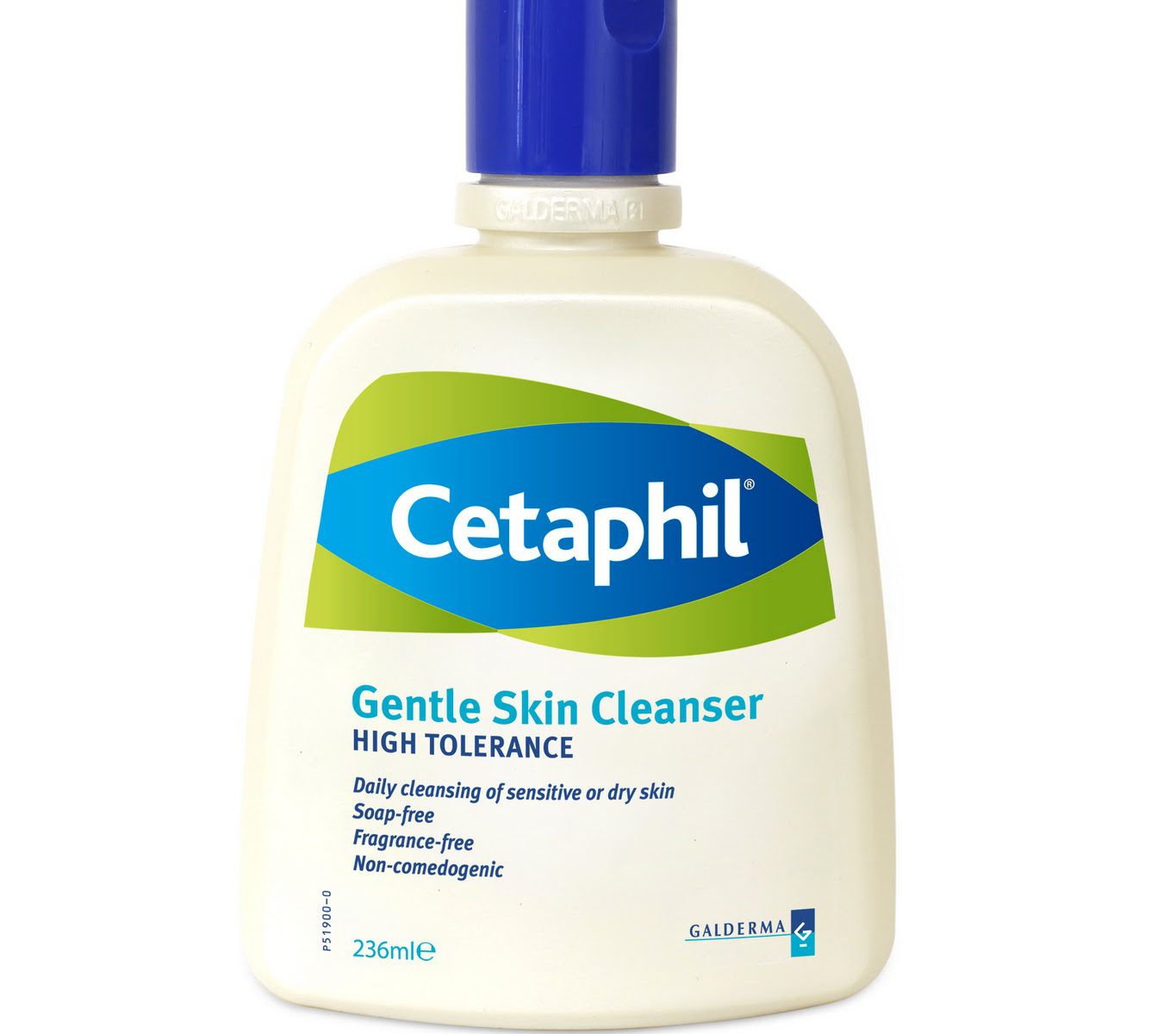
Cetaphil Cleanser

If you have been an acne sufferer for any length of time, you will no doubt be feeling increasingly desperate to find an acne treatment that really works for you. There is a whole range of treatments offered, and many of these are enthusiastically recommended by at least some sufferers who have found them effective. One of these is Cetaphil Cleanser.

Acne occurs when the follicles connecting the skin pores to the oil glands beneath them are blocked, causing oil to accumulate under the skin. This results in pimples appearing, when the oil, hair and skin cells clump together into a plug, which then is infected with bacteria. Cetaphil Cleanser is one method used to cleanse the skin deep down into the pores to deal with the bacteria.

The reason many sufferers find that this product is a good solution for them is that it is designed to be gentle on the skin, while still effectively removing the bacteria, dirt and impurities which encourage pimple formation. According to the Mayo Clinic, too many acne sufferers are tempted to use an astringent or facial scrub to cleanse the skin, thinking this is the best way to eradicate dirt and bacteria. However, this can actually make acne worse, by irritating the skin and stimulating the sebaceous glands to produce more oil.

Cetaphil products, on the other hand, are free of substances that cause irritation and allergies, including fragrances. The products were actually formulated for dermatological use in the first place, so are likely to be just what your skin needs. The cleanser performs the functions required for acne treatment, which include keeping the excess oil and skin cells from accumulating in the pores and removing the grime and makeup that lodge there during the day. All of this, while at the same time, preventing the skin from drying out — drying out is what produces the dead skin cells that cause the pimples to form in the first place.

Cetaphil has certainly been found effective for milder forms of both teenage and adult acne. However, although it is beneficial for keeping the skin surface clean and bacteria-free, it may not be so effective for more severe forms of acne, such as cystic acne. The reason is that this type of acne originates beneath the skin’s surface, so creams and lotions applied to the surface of the skin have only a mild effect, if any.

This means that those looking for a cystic acne cure will usually find that powerful systemic types of medication are required, and it may take a few attempts before the most effective treatment is found. Doctors often prescribe Accutane, a vitamin A derivative, which can be powerfully effective, but has very serious side effects. Sufferers may also be given oral antibiotics or even oral contraceptives, in some cases.

If you have a more superficial type of acne, such as acne vulgaris, and Cetaphil does not clear it up immediately, there are various types of natural acne treatment that you can use at the same time. For facial acne, you can try applying a honey mask once or twice a week. Honey is excellent for disinfecting the skin and healing minor blemishes, as it has powerful antibacterial properties. Eat plenty of carrots for vitamin A, which can actually prevent acne. In fact, acne is sometimes caused by a vitamin A deficiency.

The question of how to get rid of acne is one that seriously concerns any sufferer, and has no easy solution. Cetaphil Cleanser can be very effective for the less severe forms of the condition, as well as for your general skin health. However, as well as treating your skin, it is very important to eat a healthy diet, avoiding sugary and fatty foods. While you are looking for a way to cure your acne, you can at least do your best to prevent it getting worse.

Visit Probiotic Action for more information on the best all natural acne treatment on the market today.

Cystic Acne Cure

cystic-acne-cure

Cystic acne is more than the rash of pimples teenagers get for a few years all over their faces. It is a deeper form of skin problem treated by dermatologists. Sufferers sometimes take antibiotics or are prescribed a mixture of oral and topical remedies. Is there a cystic acne cure, however, and if so, what is it?

Preventing Acne

To some extent, if you are genetically disposed to experiencing acne, nothing you do is going to prevent that. On the other hand, it never hurts to review your diet, including how much fat, sugar, and water you consume. Consider hygiene routines and decide if you are cleaning your face regularly and well. Use gentle cleansers to reduce oiliness without drying skin out. Protect your skin from the sun, as sunburn exacerbates scarring.

How to Get Rid of Acne

Start with natural acne treatment if you can. It might not work, but that depends on the severity of your condition. In addition, natural products are less likely to produce painful side effects than chemicals will.

The average individual with acne will try a number of products and methods to rid herself of blemishes and prevent scarring. These include creams, lotions, bars, and cleansers. Having acne does not mean your skin is extra-sensitive. Many more products are available if you are not fearful of burning your skin. For sensitive skin, gentle cleansers are also on the market. Cetaphil cleanser for sensitive skin, for instance, is recommended by professionals for gentle treatment of adolescent and adult acne. Cetaphil also sells products that contain sunscreen.

Note that you do not have to pay a month’s allowance or wages to buy a good acne cleanser. Over the counter lotions are often very good at cleaning and moisturizing troubled skin.

Waiting for Results

There is no instant remedy to a problem spreading all over one’s face, arms, or back. Consumers must use chosen products regularly, perhaps for a month or several weeks, to determine if it is having the desired affect. An exception would be if it causes irritation. Cleansers are unlikely to cure acne, but they will often control it.

At first, it might seem like acne treatment is worse than acne itself. Skin dries out and old cells fall away, making cheeks and foreheads appear flaky. This is natural, but only to a point. Mark your progress and methods on a calendar to be accurate when speaking to a dermatologist.

Further Treatment

A dermatologist should be seen if acne is really holding on no matter what a person tries. Living with a few spots is one thing, but for many individuals, the presence of multiple, angry-looking red spots and welts on their faces make them self-conscious and depressed. Cystic acne will persist past adolescence and can leave many scars.

In this case, a dermatologist or doctor will recommend trying a few things to cure the problem. One is to take a brand of birth control pill. Side effects could be numerous enough that you avoid this method, but there are arguments for the benefits of contraception, including the prevention of certain cancers.

Antibiotics fight the infection that is going on in your skin cells. Your doctor will probably only prescribe them if you have tried everything else or if your skin appears to be severely infected.

An effective, potential cure is on the market, but it is also potentially dangerous. Isotretinoin sometimes causes physical or emotional side effects. In particular, it is not advisable for pregnant women to use this drug, which is associated with miscarriage and fetal deformities.

It is always best to start slowly, with natural products and over the counter remedies. Treat your skin with these products before talking to your doctor about expensive and potentially risky medication.

For the best all natural acne treatment, visit Probiotic Action today.

Aerobic vs. Anaerobic Probiotics

Probiotic Action Explains Differences Between Aerobic vs. Anaerobic Bacterium

Probiotic Action explains what the differences between aerobic and anaerobic bacterium and how they relate to probiotics.

Probiotic Action issued an explanation regarding the nature of two different kinds of bacterium, aerobic and anaerobic, and how they related to the probiotics for acne contained in Probiotic Action itself.

As Probiotic Action representative Fernando Perez states, “There is a distinct difference between aerobic and anaerobic bacterium. Many people think of aerobic and anaerobic in terms of exercise, or for the more scientifically inclined, in cellular activity. What many people don’t realize is that this process affects bacterium as well.”

Perez explains, “There are certain bacteria that thrive in places where oxygen is available, hence the term aerobic, whereas there are also bacteria that thrive through fermentation rather than cellular respiration.  There are some probiotics that do not need oxygen to live, which the probiotics which are found in yogurt. Those probiotics will not do anything to your skin if applied as yogurt because they cannot survive in the presence of oxygen; they are the anaerobes. However, there are certain bacteria, these are the probiotics in Probiotic Action, that do need oxygen to survive, and those are the ones you want to put on your skin. Not all probiotics are the same and it’s important to know the difference.”

“The purpose of the explanation,” Perez says, “is to clear up any misconceptions that people might have about probiotics, differentiate between the bacterium, and answer questions about the bacterium.  All of this is to educate the consumer. In addition to telling them why Probiotic Action is the best acne treatment, it’s important to tell them why as well.”

Probiotic Action, a pioneer in using natural skin care, follows all probiotic-associated products to collect information in order to help educate the public on the power of probiotics for skin care and overall health.

For more information, please visit ProbioticAction.com.