
3 benefits of topical probiotics for inflammation

acne teen

The skin is teeming with life. A microscopic universe in its own right, potentially billions of microbes live on the surface of the skin. While the function of these microbes have long been overlooked, research over the past two decades has revealed that bacteria play a vital role in skin health. In fact, microbes may be in part responsible for easing inflammation and keeping the skin happy and healthy. To prove our point, here are three major benefits of topical probiotics for inflammation:

3 benefits of topical probiotics for inflammation

Researchers are just beginning to unravel the benefits of topical probiotics for inflammation. Yet, the discoveries thus far have been nothing short of amazing. Here are three reasons why topical probiotics can help irritated skin:

1. Probiotics boost immune function

Recent research indicates that skin cells are in regular communication with resident microbes. As it turns out, this communication has a beneficial impact on our immune system.

To quote Bonnie Bassler, who discussed bacterial communication in a 2009 TED Talk,

“[Microbes] cover us in an invisible armor that keeps environmental insults out so that we stay healthy.”

Microbes release chemical compounds as they process the foods they eat, in response to other microbes, and in response to their environment. Interestingly, its the communication between microbes and human skin cells that can strengthen the skin’s immune system.

When it comes to topical probiotics for inflammation, the presence of certain beneficial bacteria can decrease inflammation in the skin. This is because certain bacteria can determine whether or not the skin is safe and healthy at a given moment.

2. Topical probiotics can fight pathogens

Did you know that bacterial imbalance is a major contributor to acne?

Acne occurs when excess oils on the skin provide food for pathogenic bacteria.

Research has found that some beneficial probiotics, like the bacillus subtilis included in Probiotic Action, produces chemical compounds that target specific common pathogens.

These pathogens include Staphylococcus aureus, which is beneficial in small concentrations, but may also contribute to skin diseases like eczema when the community is imbalanced.

Not only do beneficial bacteria fight pathogens directly, but they may also compete with pathogens for the same food source.

When beneficial topical probiotics are applied, they can out-compete inflammatory microbes and thereby fight infection and ease inflammation.

3. Topical probiotics may ease inflammatory skin conditions

Research on topical probiotics is only just emerging. However, probiotics for skin conditions is a promising area of research.

Excess inflammation is a major culprit in a number of skin conditions, including acne, rosacea, and eczema. Yet, what do these conditions also have in common? Disruptions in the skin microbiome.

While many of these conditions are treated with steroids and antibiotic medications, neither of these treatments address an underlying microbial imbalance.

For this reason, treatment with topical probiotics is an emerging area of skincare.

A new generation of topical probiotics for inflammation

Leading with a revolutionary new product, Probiotic Action has used years of research to create a new line of powerful topical probiotic treatments for inflamed and irritated skin.

Our topical probiotic products for inflammation include the Bacillus subtilis bacteria. This bacteria is naturally found on vegetation, in soil, in the gut and on human skin.

To improve skincare with safe, microbe-friendly products, we’re proud to announce the launch of our new Clarity in Balance topical probiotic spray.

Clarity in Balance is our most innovative and potent topical probiotic yet. Using the included ultrasonic Nano Mist Sprayer, beneficial probiotics are delivered deep into the pores.

This Probiotic Action eases inflammation, fights pathogenic bacteria, and calms skin irritation. Want to learn more about how our new product works? Continue learning here.


Best skin care tips for back to school

acne teen

Summer is winding to a close. Days are getting shorter, nights are cooler, and it’s time to get back into the swing of everyday life. A new school year means another chance to reinvent and explore. Why not start kick off the year with a healthy new routine and nourishing skincare products? Here’s how to maintain glowing skin this school year: 

Best skin care tips for back to school

Healing acne-prone, dry, or combination skin can take some trial and error. Too often, harsh chemical concoctions or aggressive antibiotic creams and tablets are the first line of defense for skin blemishes and problems.  

Instead of trying product after product, there are a few simple tips and tricks that can greatly improve your skin health. Here are a few to consider:

  1. Clean your cell phone screen regularly

Cell phones are surprisingly dirty pieces of technology. You often hold them in your hands throughout the day, exposing them to whatever else you’ve happened to touch.  

You then put all of this unknown dirt and bacteria right next to the sensitive skin on your face when you use your phone.

You can clean your cell phone screen by spraying a soft cloth and a little white vinegar mixed with water. Vinegar is naturally antimicrobial, making it a great natural choice for cleaner.  

Changing pillowcases at least twice per week can also help keep unwanted dirt and oils off of the skin.

  1. Get into a healthy skincare routine

Did you know that there are as many as one hundred trillion bacteria and other microorganisms that live on the skin? These bacteria make up what is called the skin microbiome, which is like a microbial ecosystem that each person carries around on their bodies.

A healthy skincare routine means avoiding overly harsh soaps and chemicals that can dry out the skin and disrupt the natural balance of healthy microbes on the skin. A balanced skin microbiome means healthy, blemish-free skin.

Washing the face with an all-natural gel or cream cleanser once daily, removing all cosmetics before bed, and drinking plenty of water are all important aspects of a healthy skincare routine.

Topical probiotics like Probiotic Action’s Emerald Spray excellent additions to a daily skincare regimen. Topical probiotics re-introduce beneficial and anti-inflammatory bacteria to the skin when it shows signs of imbalance. 

  1. Don’t touch

Have pimples? Stop popping them! If breakouts are your problem, touching and picking at the skin may only worsen the condition.  

Instead, try wetting down a cotton pad or a washcloth with some apple cider vinegar and applying the natural toner to the infected area.

After the toner has begun to evaporate, apply a topical probiotic. A probiotic spray can easily reintroduce beneficial bacteria to the skin without coating the skin in potentially aggravating oils, creams, or other chemicals after toning. 

  1. Approach skincare from the inside out

The skin is the largest organ in the body and, as mentioned above, its home to trillions of helpful microorganisms. To keep these microorganisms happy and healthy, a healthy diet is crucial.  

Common food allergens like dairy and wheat can promote systemic inflammation, causing imbalances in the immune system as well as the microflora living on and inside the body.  

Many beneficial microorganisms like to eat fiber, especially fiber that comes from leafy green vegetables, onions, garlic, leeks, and jerusalem artichoke. Drinking plenty of water and a plant-filled diet provides a solid base for glowing skin.  

How to get Probiotic Action

Want to kick the school year off with a bang? Probiotic Action is having a Back to School Sale! Topical probiotics are an excellent addition to a daily skincare routine, helping to restore and maintain an appropriate balance of microflora on the skin.

For a limited time only, Probiotic Action is offering 20 percent off of our Emerald Probiotic Spray. The Emerald Spray contains a concentrated dose of Bacillus subtilis. We like to called this organism “the good bacteria.”

Purchase your Emerald Spray on Amazon here and use promo code CG2T6HOF for the discount.

Teen Acne

If you have acne, you are not alone. Acne is the most common skin problem in the United States. In fact, an estimated 80 percent of people between age 11 and 30 have experienced acne. Still, having constant pimples can be embarrassing and painful. Fortunately, there is a new trend in teen skincare: topical probiotics.

Topical probiotics help teen acne by treating the face with beneficial bacteria. Many teens often turn to prescription medications or harsh washes and cleansers to get rid of acne. But, many of these products can irritate the skin, causing dryness or making acne worse. Can probiotics make a difference? Here’s how topical probiotics work for teen acne:

What causes teen acne?
Teen acne is not simply a problem with bacteria. Breakouts occur when hormones change. Hormones are chemical messengers that help the brain communicate with the rest of the body. During puberty, hormones that control oil production in the skin are released in large amounts for the first time.

With acne, hormones called androgens are the cause of the trouble. Androgens are often called “male hormones” because they are more abundant in men. However, both boys and girls begin to produce androgens like testosterone during puberty. Testosterone triggers the production of oil in the skin.

Pimples pop up when glands in the skin cause the body to overproduce an oil called sebum. In the right amounts, sebum is a good thing. It waterproofs and helps lubricate the skin, preventingit from getting too dry.

With acne, however, too much sebum clogs pores and traps in irritating bacteria. This bacteria isa part of what is called the skin microbiome, which is the term for the unique ecosystem of bacteria that lives permanently on the skin.

Sometimes, parts of this ecosystem becomes imbalanced. Beneficial bacteria can be overtaken by more harmful, inflammatory bacteria. With acne, an infection starts in a pore when a community of inflammatory bacteria has a feast on the excess sebum.

Do probiotics help teen acne?

After washing with a gentle skin cleanser, applying a topical probiotic re-introduces beneficial bacteria to the skin. These bacteria can then outcompete the bad bacteria by hogging their food sources.
Beneficial bacteria like Bacillus subtilis, which is an ingredient in Probiotic Action®, also release chemical compounds that help them overpower other bacteria. Bacillus bacteria is naturally found in healthy skin and soil, and is not known to colonize the body like acne-related bacteria.

Topical probiotics are an alternative or an addition to antibiotics and harsh skin cleansers. After antibiotic acne treatment, topical probiotics can be applied to re-populate the skin with beneficialbacteria. They can also be used as a spot treatment at the first sign of a pimple or breakout. With continuous application, teens will see clearer skin within one week. This is especially true when accompanied by adequate sleep, lots of water, and a healthy diet low in sugar and caffeine.

Where do you find topical probiotics for acne?

Probiotic Action® offers a line of probiotic skincare treatments and face washes. For difficult to treat skin, Probiotic Action has created the Healthy Balance 2 Step Restoration Kit. The kit includes a probiotic gel cleanser, which contains skin-healthy sunflower and coconut oil, as well as antimicrobial rosemary extract.

The cleanser followed by the Emerald Topical Probiotic Spray Treatment, which offers a highly concentrated dose of Bacillus bacteria. The Emerald Topical spray can also be used as a spot treatment in between major breakouts. All of Probiotic Action products are vegan, chemical free, fragrance free, non-toxic. To shop Probiotic Action, click here.

ALSO, Probiotic Action® is please to provide followers with a discount code!
Enter 4KCF7JXWQ21J at checkout and get $5.00 off!!

Adult Hormonal Acne

As the term might suggest, hormonal acne is acne that is triggered by hormonal changes in the body. To get rid of the acne completely, working with a doctor to find the root cause of hormonal troubles is recommended. However, topical interventions can still help. Here’s why you should consider probiotics for hormonal acne:

What is hormonal acne?
Hormonal acne causes cysts to show up on the chin and around the forehead. Male hormones called androgens are the culprits, testosterone included. These hormones encourage glands in the skin to produce more oil. As a result, pores become clogged, making the perfect breeding ground for a bacterial imbalance.

Both men and women can experience hormonal acne and the condition is most common during the teen years. Adult acne, however, is becoming far more common. A 2008 study conducted by the University of Alabama found that 50 percent of women between the ages of 20 and 29 had adult acne. 26 percent of women between the ages of 40 and 49 were affected.

Hormonal Acne
Do probiotics work for hormonal acne?

In the clinic, antibiotics are often used in defence against severe acne. However, there may be reason to opt for a probiotic instead. The skin is coated by a microscopic ecosystem of bacteria, fungi, viruses, and other microbes. These tiny free-riders work symbiotically with human cells, contributing to a healthy immune system.

Unfortunately, imbalances in the skin microbiome can also contribute to acne, even if the underlying cause is hormonal. In hormonal acne, bacterial imbalance can still contribute to inflammation and cysts.

One of the theories behind the effectiveness of topical probiotics is that beneficial bacteria can crowd out or out compete pro-inflammatory bacteria. Bacteria belonging to the species Propionibacterium acnes are thought to be the primary instigators of acne pimples and cysts.

Applying a probiotic to the skin offers a dose of helpful bacteria in hopes of reducing the problematic community. Microbes like Bacillus subtilis, an active ingredient in Probiotic Action, are naturally found in the soil and on vegetation. They are also a natural part of a healthy skin and gut microbiome.

When placed on the skin, these live bacteria compete for food and resources with other strains. Bacillus subtilis is known to compete with other bacterial species by excreting compounds that are toxic to certain microbes. 

This helps the beneficial Bacillus subtilis take up residence on the skin while more harmful types of bacteria are crowded out and possibly killed off. Unlike P. acnes bacteria, is rare for Bacillus subtilis to colonize on the body. This means that it is safe to spray on the skin without aggravating the acne.

Where to find probiotics for acne

Probiotic Action offers two probiotic sprays that can be used topically for acne. The Probiotic Action Sprayer contains two ingredients: purified water and Fermented Bacillus subtilis. To use, simply dilute the probiotic fluid with some filtered water and apply to the affected area.

For best results, it is recommended to wash your face with a gentle but deep cleanser like Probiotic Action’s Bentonite Clay Cleanser. If using your own cleanser, an organic product is recommended.

Probiotic Action Shares 5 New Tips for Acne Sufferers To Protect their Skin this Summer

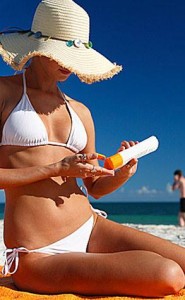
With summer here many are looking to shed layers and hit the beach. For some, the idea of letting their acne prone skin out in the sunlight is worrisome. For those suffering from acne, Probiotic Action, well known as the best acne treatment offers 5 tips with insight from Shape Magazine on how to care for acne prone skin this summer.

1.) Don’t over dry skin: Using harsh scrubs or drying masks before staying in the sun will allow the skin to burn faster. Even using these products a day before may weaken skin, and expose fragile skin to harmful UV rays

2.) Use the right sunscreen: This week Shape Magazine offered the best sunscreens for all skin types, find out what sunscreen is right for your skin here:

3.) Use the best acne treatment: Using an acne treatment that contains antibiotics may make skin more prone to burns and irritation. Using an acne cream that will not increase the skin’s sensitivity to light may be the best acne treatment.

4.) Stay hydrated: Aside from using the right sunscreen, staying hydrated by drinking plenty of water will help skin fight burns, and balance the PH level of skin.

5.) Take/topical the right supplements: Preventative vitamins like C (topical) , B, and Beta Carotene are said to make skin more “sun ready”. For those suffering from acne, using preventative probiotics, as a topical acne cream and ingested pills may help better balance the skin.

Perez adds that It is very difficult for vitamin C to reach the skin and help repair/protect it, for that reason the best option is a topical vitamin C. If you suffer with acne or rosacea a 5% concentration is the maximum recommended. Additionally, while some of these suggestions may help some suffering from acne, these recommendations should always be consulted with a physician.

Probiotic Action is an advanced acne treatment that uses Probiotics for acne containing the “good bacteria” that is naturally found on healthy human skin. By using probiotics, Probiotic Action is an effective treatment that restores the normal bacteria content on skin. Probiotic Action will successfully clear skin when used as an adult acne treatment while protecting skin against bad bacteria, free radicals, and pollutants*.

Read more: http://digitaljournal.com/pr/1227770#ixzz37qoPhn7j

Probiotic Action Shares 5 Tips to Protect your Skin this Summer

With summer here many are looking to shed layers and hit the beach. For some, the idea of letting their acne prone skin out in the sunlight is worrisome. For those suffering from acne, Probiotic Action, well known as the best acne treatment offers 5 tips with insight from Shape Magazine on how to care for acne prone skin this summer.

1.) Don’t over dry skin: Using harsh scrubs or drying masks before staying in the sun will allow the skin to burn faster. Even using these products a day before may weaken skin, and expose fragile skin to harmful UV rays

2.) Use the right sunscreen: This week Shape Magazine offered the best sunscreens for all skin types, find out what sunscreen is right for your skin here:

3.) Use the best acne treatment: Using an acne treatment that contains antibiotics may make skin more prone to burns and irritation. Using an acne cream that will not increase the skin’s sensitivity to light may be the best acne treatment.

4.) Stay hydrated: Aside from using the right sunscreen, staying hydrated by drinking plenty of water will help skin fight burns, and balance the PH level of skin.

5.) Take/topical the right supplements: Preventative vitamins like C (topical) , B, and Beta Carotene are said to make skin more “sun ready”. For those suffering from acne, using preventative probiotics, as a topical acne cream and ingested pills may help better balance the skin.

Perez adds that It is very difficult for vitamin C to reach the skin and help repair/protect it, for that reason the best option is a topical vitamin C. If you suffer with acne or rosacea a 5% concentration is the maximum recommended. Additionally, while some of these suggestions may help some suffering from acne, these recommendations should always be consulted with a physician.

Probiotic Action is an advanced acne treatment that uses Probiotics for acne containing the “good bacteria” that is naturally found on healthy human skin. By using probiotics, Probiotic Action is an effective treatment that restores the normal bacteria content on skin. Probiotic Action will successfully clear skin when used as an adult acne treatment while protecting skin against bad bacteria, free radicals, and pollutants*.

Read more: http://digitaljournal.com/pr/1227770#ixzz37qoPhn7j

The Probiotic Skin Care Diet

After months of searching the web, our team has collected the best foods for clear skin– with an added bonus of adding foods which promote probiotic growth. Below, please see a ranging list of foods which have been known to balance the body’s PH level reduce inflammation, and food items which help to promote the growth of good bacteria over bad, and support the success of our probiotic acne treatment.
Dairy: These items are naturally abundant in probiotics, and contain natural fats the skin needs to repair itself.
  • Raw Whole Milk
  • Fresh Butter
  • Buttermilk
  • Eggs
  • Acidophilus Milk
  • Yogurt/ Greek/ Otherwise
  • Natural Cheeses (In small amounts)
Nuts and Dried Fruits: Certain nuts are known to increase lactic acid in muscles and are said to build up acidic PH levels. The two listed below are the most alkaline, and may provide a good source of clean protein.
  • Almonds
  • Brazil Nuts


Vegetables and Fruits:  Veggies are a staple for all healthy diets, the ones listed below are best known to balance the bodies PH, and provide necessary vitamins for cell turnover, helping skin to regenerate, and cleanse itself before and during breakouts. Staying away from large amounts of high sugar and high acid fruits like citrus and grapes may be better for some who seem to have breakouts.
  • Gourds
  • Zucchini
  • Squash
  • Cucumbers
  • Pickles
  • Spinach
  • Red Beets
  • Red Cabbage
  • Yellow Beans
  • Sweet Potatoes
  • Peppers
  • Garlic
  • Celery
  • Salad Greens
  • Artichokes, canned or fresh
  • Asparagus
  • Apples
  • Avocados
  • Bananas


Oils, Pickled Items and Spices: Everyday seasonings were onced used as medicine for a reason, certain teas, oils, and spices have great anti-inflammatory and probiotic properties to promote a balanced body, and healthy skin.
  • Black Olives in Oil
  • Sunflower, and Olive Oil
  • Sea Salt
  • Vinegar ( All Kinds)
  • Natural Honey
  • Green Tea, Herbal Tea, Echinacea Tea
  • Cayenne Pepper
  • Turmeric
  • Paprika
  • Avocados
  • Coconut Oil


 Probiotic spokesman, Fernando Perez, offers why the above foods have been hand selected for the Probiotic Skin Care Diet,  “Diet often affects how our skin works to fight bacteria, similar to the way that other organs need nutrients to ward off disease. When we eat right, and stay hydrated, our body is able keep a better balance of good and bad bacteria”.
Perez added that introducing meats in small quantities, and staying away from processed carbohydrates would be the best acne treatment diet.
For more information on what causes acne, visit our FAQ’s page and stay in touch with the Probiotic Action team on Facebook.